True story. Recently while working on a project I said in an email to the rest of the production crew something about bringing in a sax player. Someone responded in a somewhat LOL vibe that I could put my sax in my ass. At first I was not exactly sure how to respond to this. Surely it was a jest. But what if it was a serious request?
I thought the best way to deal with the situation was to discuss the mechanics of placing a “sax in the ass”. Now I am going to go out on a limb here and presuppose that I have personally experienced more decadence, degradation and debauchery then most of my peers so let me state emphatically that in my experience – a “sax in the ass” is not an easy feat.
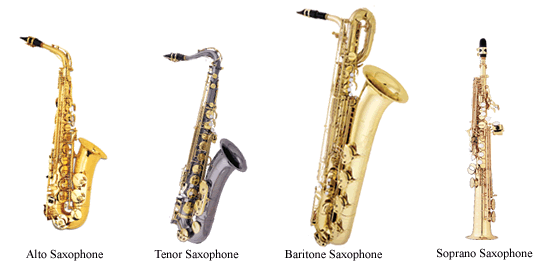
The saxophone was invented by Adolphe Sax who created many different types of instruments (for example the saxhorn played in concert bands) but is most famous for his saxophone. The saxophone is the marriage of a brass instrument and a woodwind or reed instrument. The saxophone while not being a standard orchestral instrument is played in every idiom of music today. Ok so there is the quickie all-you-need-to-know-to-answer-Alex-Trebeck-in-the-form-of-a-question in the category – history of sax.
Now for us to truly understand the “sax in the ass” quandary we must look at the shape of the saxophone. For those of you with less musical knowledge then myself there are a number of different Saxes in the saxophone family. As mentioned before the sax is a reed instrument and is quite narrow at the mouthpiece but widens down the length of the horn until it curves at the bottom and flares open at the bell. The sax also has a complicated series of keypads and connecting rods that open the various valves to create the notes of the scale.
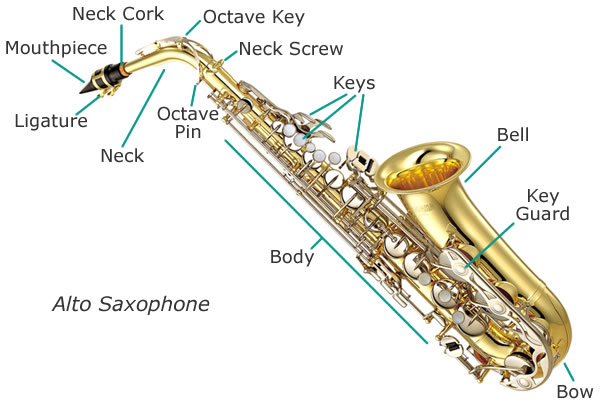
The alto sax (Charley “Bird” Parker’s instrument of choice) has a slightly curved neck at the top of the horn and than curves again at the bell. At first, insertion looks easy but once you are past the neck you run into problems. Even at the most narrow part – the mouthpiece there is a little do-hickey called the ligature that holds the reed in place. There is also the possibility that one could get slivers from the reed.
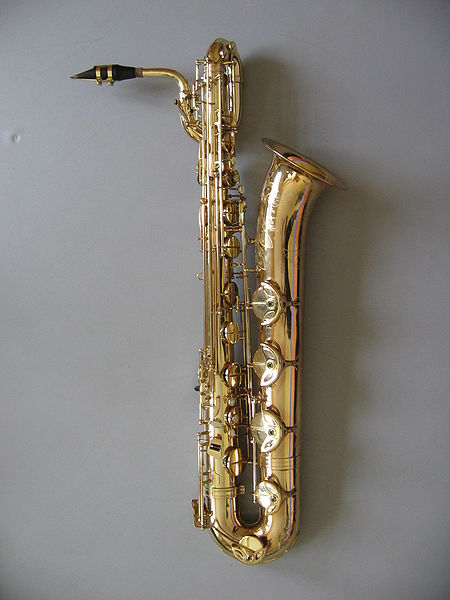
The tenor sax (Lester Young, Clarence Clemmons) has almost an S – shaped neck and only with a great deal of twisting (and earlier insertion of the alto) can any depth be achieved. The baritone (Gerry Mulligan, Lisa Simpson) is one big bad horn. Its neck has a complete 360 degree curlicue before it joins the body. Sadly insertion is impossible.
There are lesser known saxophones such as the C Melody and the popular but less played soprano. The soprano (Kenny G) is shaped straight like a clarinet and and therefore complete insertion is indeed possible…wait a minute…
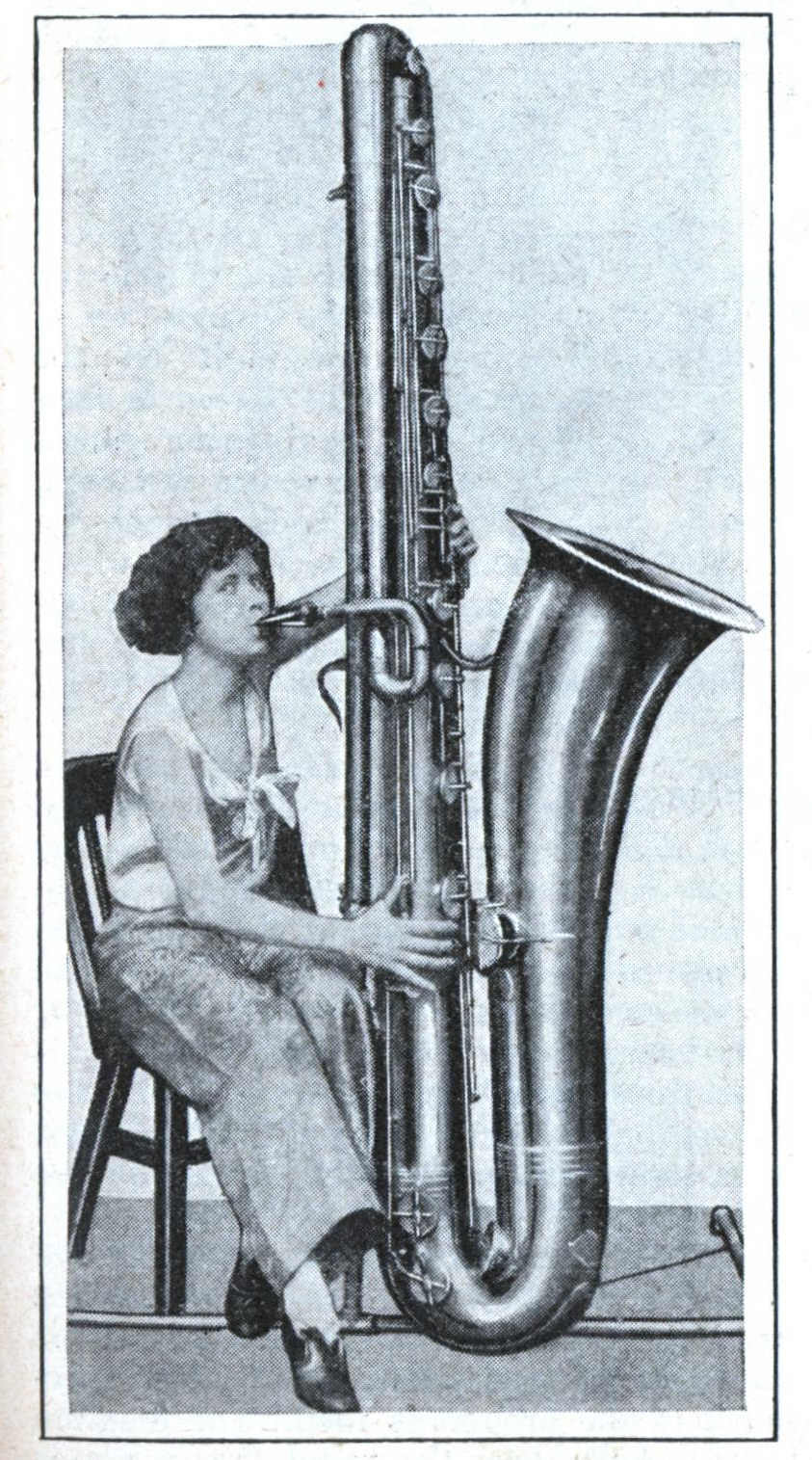
Tomorrow the sousaphone.
 Mr Bob Radio Blog